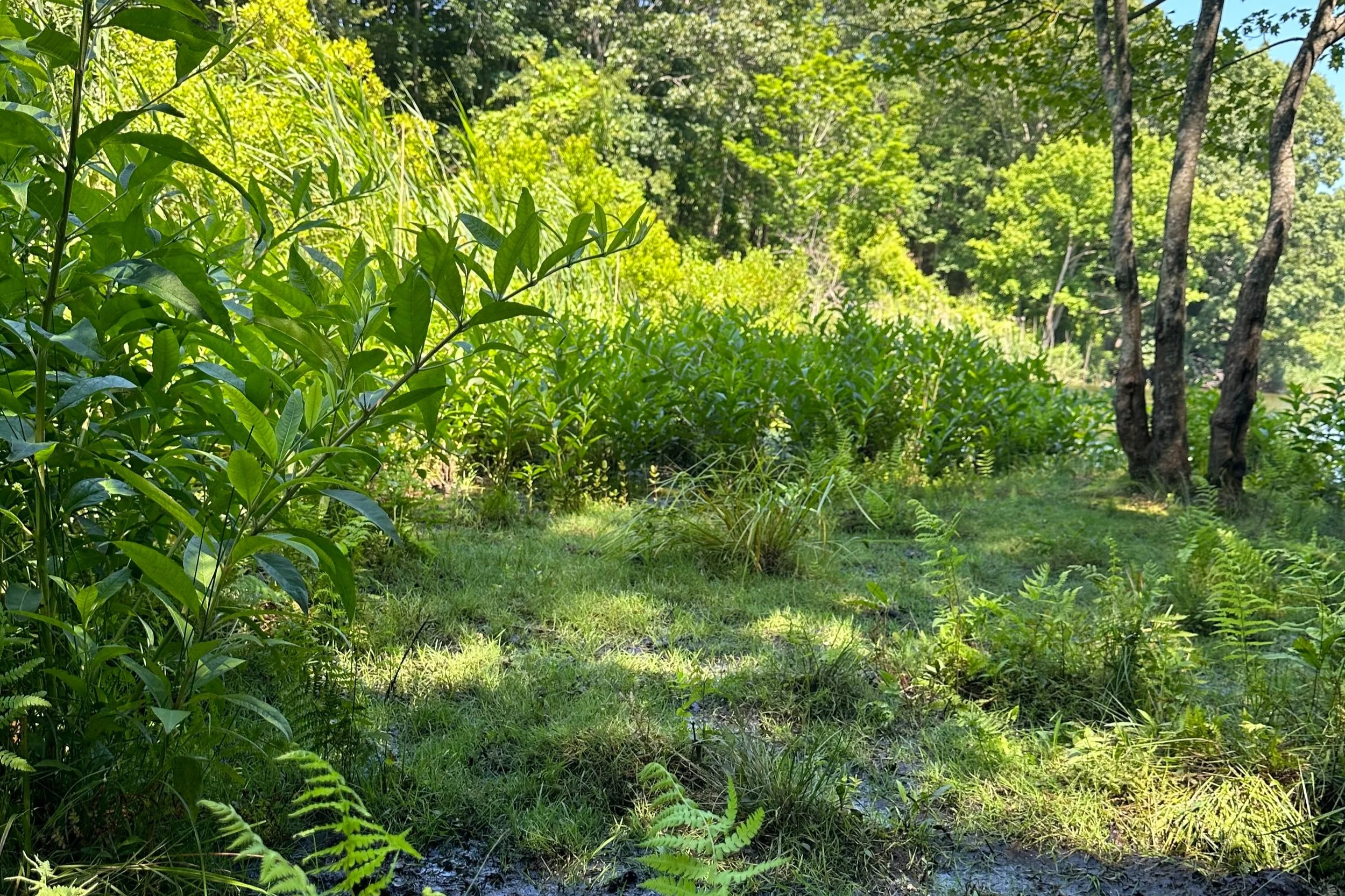
Arboriculture
We provide various services such as diagnosis of tree and landscape problems, tree risk assessments, and treatment of Beech Leaf Disease (BLD).
Peter Meleady is an International Society of Arboriculture (ISA) Certified arborist, has an ISA Tree Risk Assessment Qualification (TRAQ), and is a Member of The American Society of Consulting Arborists.
Beech Leaf Disease (BLD)
Beech Leaf Disease was first detected in North America along Lake Erie in Ohio woodlands in 2012. Since then, this disease caused by an exotic leaf galling nematode, has spread across much of the Eastern United States, posing a serious threat to the health of native as well as European and Asian beech species.
The latest treatments for Beech leaf disease (BLD) cannot address BLD at the forest level, however, individual beech trees in places such as landscapes that are valued specimens can be saved.
BLD affects and kills both native and ornamental beech tree species.
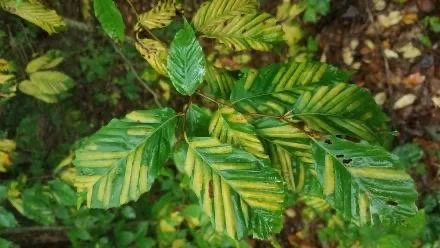
Symptoms of BLD Include:
Leaf striping
Leaf curling
Leathery leaf texture
These symptoms are most easily noticed by looking up into the forest canopy and may be visible from leaf out in May until leaves fall off in October. In early infestations, only a few leaves may be affected. Eventually, affected leaves wither, dry, and yellow.
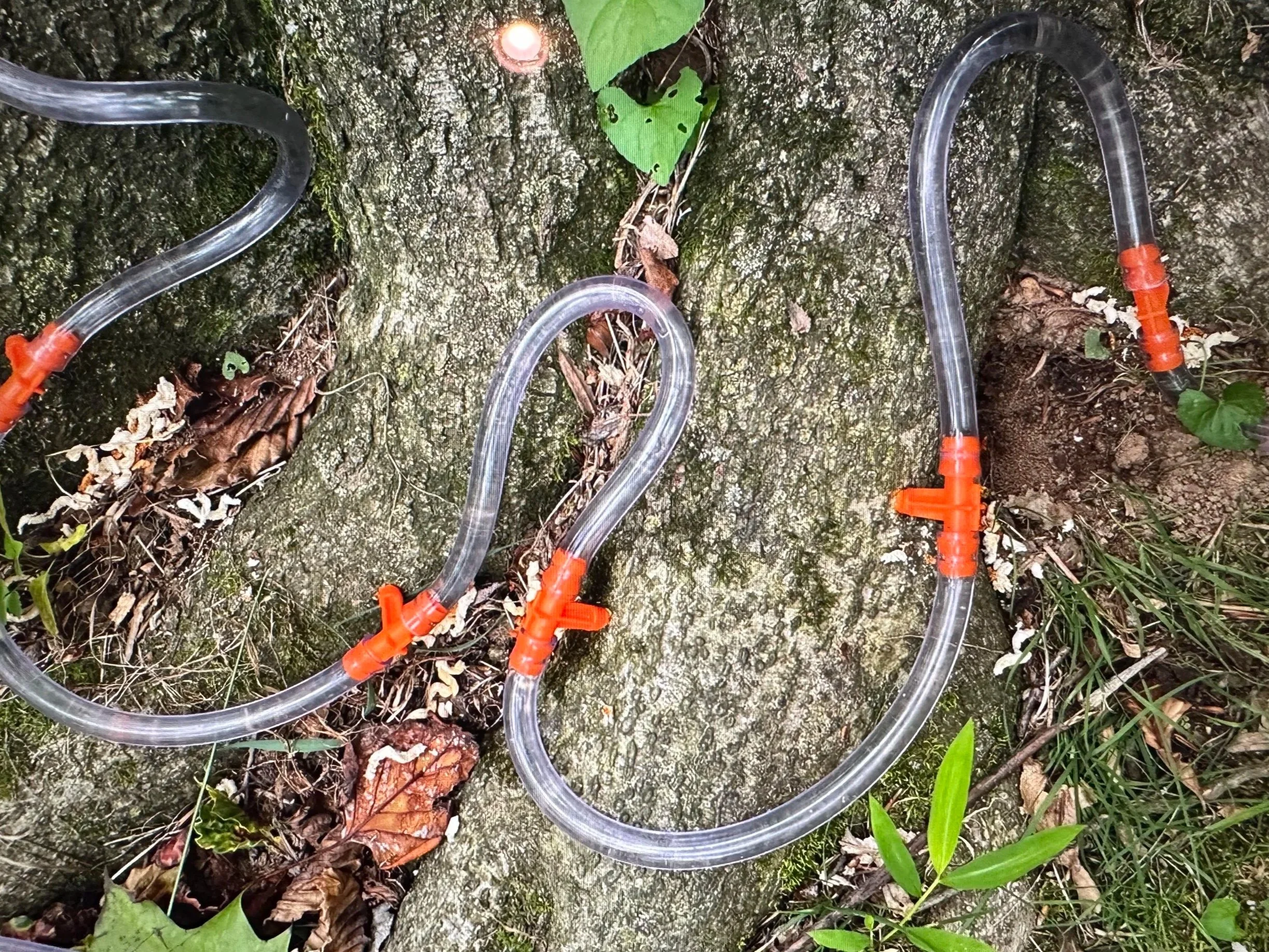
Treatment
The latest treatments for Beech leaf disease (BLD) cannot address BLD at the forest level, however, individual beech trees in places such as landscapes that are valued specimens can be saved.
The treatment consists of injecting the tree with Arbotect 20-S. The active ingredient is Thiabendazole. Thiabendazole is currently the most effective treatment for BLD; it prevents leaf symptoms, dieback and significantly reduces nematode numbers in dormant buds. Thiabendazole is injected directly into the vascular system of trees. Optimal treatment timing for macro-injections is after full leaf expansion.
Further research: Thiabendazole as a Therapeutic Root Flare Injection for Beech Leaf Disease Management